24 Jul 2026
Swift Transaction Accelerations Drive Expanded Mobile Casino Engagement
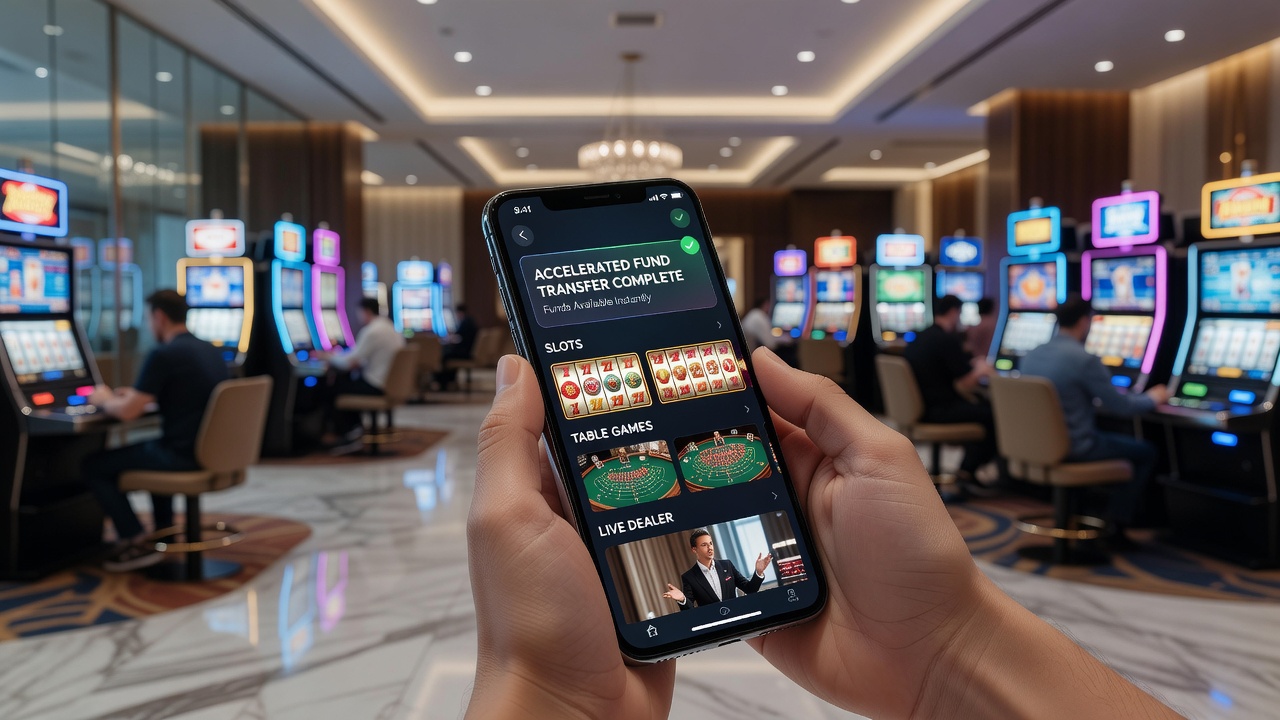
Accelerated fund transfers have reshaped how players interact with casino offerings on smartphone applications, and data from multiple regions shows clear patterns of increased participation across slots, table games, and live dealer formats. Operators report that deposit and withdrawal times dropping below 30 seconds correlate with longer session durations and broader exploration of game categories, while payment providers integrate directly with banking systems to eliminate traditional delays. Research indicates that these changes emerged prominently as mobile platforms adopted instant payment rails, allowing users to move funds without leaving the application interface.
Payment Infrastructure Shifts and User Behavior Patterns
Observers note that when transfer speeds improved through services like instant bank transfers and digital wallets, engagement metrics rose across multiple game types rather than concentrating in one area. Players who once limited activity to familiar slots began testing roulette variants, blackjack tables, and progressive jackpots because funds appeared available immediately for new wagers. Figures reveal that average session length extended by measurable margins once confirmation times shortened, and this held true whether users accessed platforms in North America or other markets with developed mobile infrastructure.
Industry reports highlight how seamless funding supports spontaneous decisions during live dealer sessions, where timing matters and waiting for deposits can break immersion. Those who've examined transaction logs find that repeated small transfers replace larger initial deposits, enabling users to adjust stakes across offerings without interruption. This pattern appears in data sets covering both regulated and emerging markets, where faster rails reduce friction points that previously prompted session abandonment.
Regional Data and Platform Adaptations
According to statistics released by the Alcohol and Gaming Commission of Ontario, mobile transaction volumes accelerated notably after instant deposit features expanded in 2025, with engagement spreading beyond initial game preferences. Platform operators adjusted interfaces to display real-time balances and one-tap options that connect directly to verified accounts, and this integration coincided with higher retention rates across diverse game libraries. Researchers at the University of Nevada, Las Vegas documented similar trends in analyses of North American markets, noting that reduced transfer latency aligned with increased trial of lesser-known titles rather than repeated play on established favorites.

Developments around July 2026 brought further refinements as several providers introduced cross-border instant options that maintained compliance with local rules while shortening settlement windows. Application updates incorporated biometric confirmations alongside these transfers, cutting steps between decision and action. Data indicates that users responded by sampling offerings they had previously overlooked, such as niche table variants or themed slot collections, because the barrier of funding delays disappeared.
Game Category Expansion and Session Dynamics
Engagement spreads when transfers complete in seconds because players treat the application as a continuous environment rather than a sequence of separate actions. Slots remain popular entry points, yet table games and live streams gain traction once funds move without pause, and metrics track this shift through category-switching frequency. Those monitoring user flows observe that instant access encourages experimentation during the same session, with players moving from one offering to another as balances update immediately.
Platform designs now emphasize unified wallets that support all categories without additional verification layers, and this structure sustains momentum across extended play periods. Evidence from transaction records shows that withdrawal speeds matching deposit times further support repeated engagement, since users regain access to funds quickly and return sooner. Patterns hold across different player demographics, with younger users adopting the technology fastest while broader age groups follow once interfaces stabilize.
Conclusion
Accelerated fund transfers have established a direct connection to wider participation in smartphone casino applications, supported by consistent data across regions and time periods. Platform adaptations that prioritize speed and integration continue to influence how users explore available offerings, while external sources confirm measurable growth in session variety and duration. These developments reflect ongoing infrastructure changes that shape mobile casino activity without relying on any single market's regulatory framework.