28 Jun 2026
Smartwatch Alerts Revolutionize Instant Betting Choices at Online Roulette Platforms
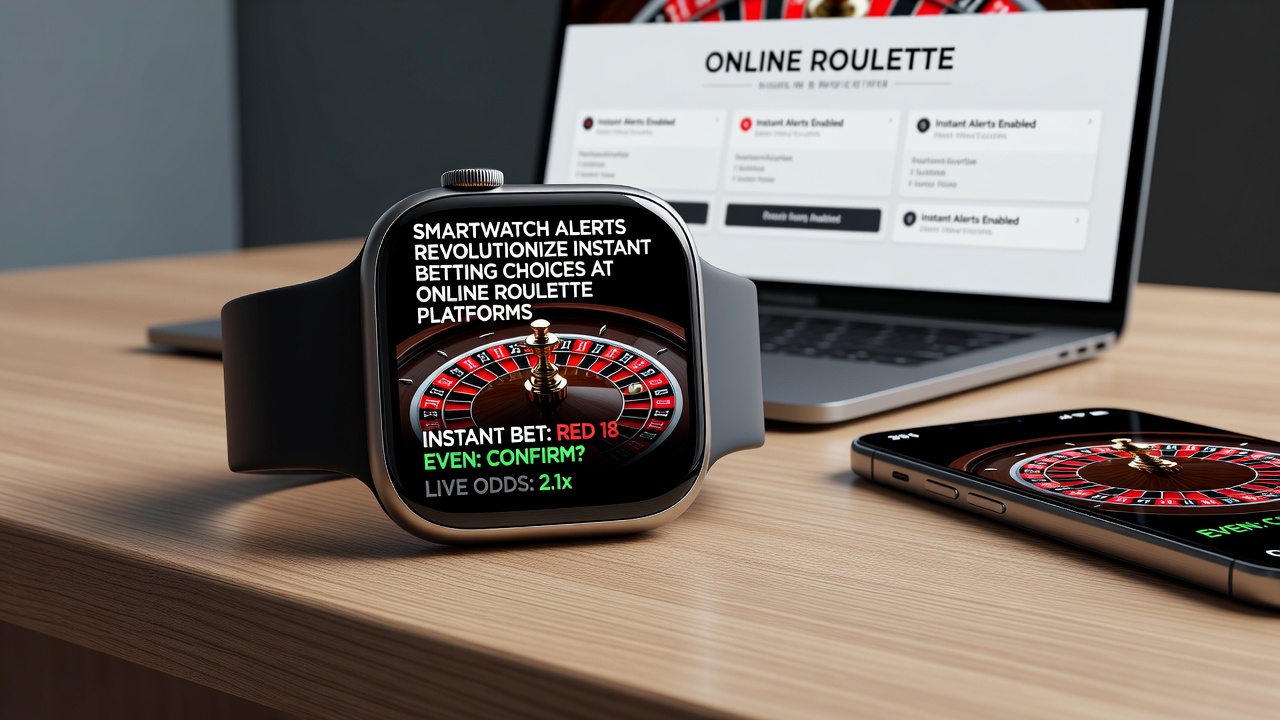
Smartwatch technology now delivers real-time notifications that let players adjust roulette wagers without pausing to check phones or tablets, and this integration has expanded steadily through 2025 into mid-2026. Platforms route live wheel outcomes, betting windows, and payout confirmations straight to wearable devices, which shortens decision cycles during European and American roulette sessions. Data from device manufacturers shows that notification-enabled apps reached over 4.2 million active users across European markets by April 2026.
Integration Mechanics Behind Instant Alerts
Developers embed application programming interfaces from major smartwatch operating systems directly into roulette software so that each spin triggers a vibration or visual cue within 800 milliseconds. Players receive prompts for table limits, hot and cold number streaks, and remaining time before the next round closes, while the same connection handles stake confirmation and balance updates without requiring a screen unlock. Industry reports indicate that latency reductions of this magnitude emerged after firmware updates released in late 2025, and testing conducted by hardware partners confirmed consistent delivery across Wi-Fi and cellular connections.
Platform Adoption Patterns Observed by June 2026
By June 2026 several leading operators had rolled out dedicated smartwatch modules that sync with existing mobile accounts, and those modules now support both standard and live-dealer roulette variants. European operators reported a 31 percent rise in session frequency among users who enabled wearable alerts compared with the same period in 2025, according to aggregated telemetry shared by platform analytics firms. Observers note that the feature spread first through operators licensed in Malta and Gibraltar before reaching additional jurisdictions, and the pattern mirrors earlier mobile-app adoption curves documented in academic studies from the University of Nevada Reno Gaming Innovation Lab.
One operator documented that average time between consecutive bets dropped from 14 seconds to 9 seconds after smartwatch alerts went live, and similar metrics appeared in internal dashboards released during industry conferences in Barcelona. The same dashboards also tracked a measurable uptick in smaller, more frequent wagers because players could react immediately to shifting odds displayed on their wrists.
Security and Compliance Considerations
Encryption standards applied to smartwatch data streams match those already required for mobile transactions, and regulators in multiple regions have examined these protocols during routine audits. Authentication flows require biometric confirmation on the watch itself before any stake adjustment processes, which reduces the chance of unauthorized changes during shared-device scenarios. Figures released by the Malta Gaming Authority show that incidents involving wearable-linked accounts remained below 0.03 percent of total transactions through the first quarter of 2026, a rate comparable to conventional mobile channels.
Player Behavior Shifts Documented in Recent Studies
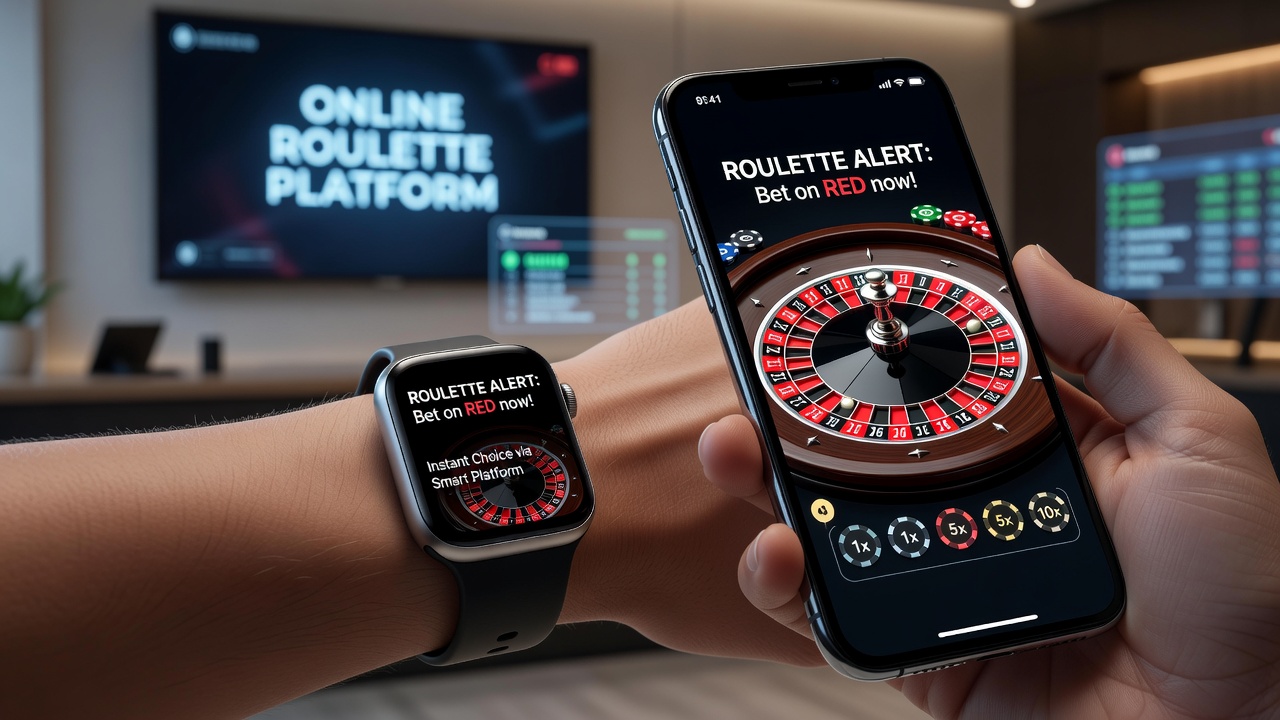
Research published by the Canadian Centre on Substance Use and Addiction examined session logs from 12,000 accounts and found that smartwatch users placed 18 percent more outside bets per hour than non-users, while maintaining similar overall loss limits. The study attributed the difference to reduced friction when receiving outcome feedback and placing follow-up wagers. Additional findings indicated that players who combined smartwatch alerts with predefined loss thresholds exhibited lower variance in daily spend compared with those relying solely on phone interfaces.
Take one researcher who analyzed time-stamped betting sequences and discovered that the median interval between a notification and an executed wager measured 2.4 seconds, which researchers linked to higher engagement during peak evening hours. Those patterns emerged consistently across both desktop-synced and standalone watch users.
Future Developments and Cross-Device Compatibility
Manufacturers continue to refine haptic feedback patterns so that distinct roulette events produce unique vibration signatures, and early prototypes tested in 2026 already differentiate between win notifications and new betting windows. Compatibility roadmaps shared by operating-system vendors point toward deeper integration with emerging health-tracking sensors, although current implementations remain limited to gaming-specific data. Projections from the European Gaming and Betting Association estimate that wearable-enabled roulette traffic could account for 22 percent of total mobile volume by the end of 2027 if current growth rates hold.
Conclusion
Smartwatch alerts have altered the cadence of online roulette by compressing the interval between observation and action, and the trend shows no sign of slowing as more platforms activate the feature set. Operators continue to refine delivery speeds and security layers while researchers track behavioral impacts through longitudinal data. The infrastructure that supports these instant choices now forms a standard component of many roulette offerings rather than an experimental add-on.