10 Jun 2026
Fingerprint and Face ID Systems Streamline Access to Live Dealer Tables at UK Licensed Sites
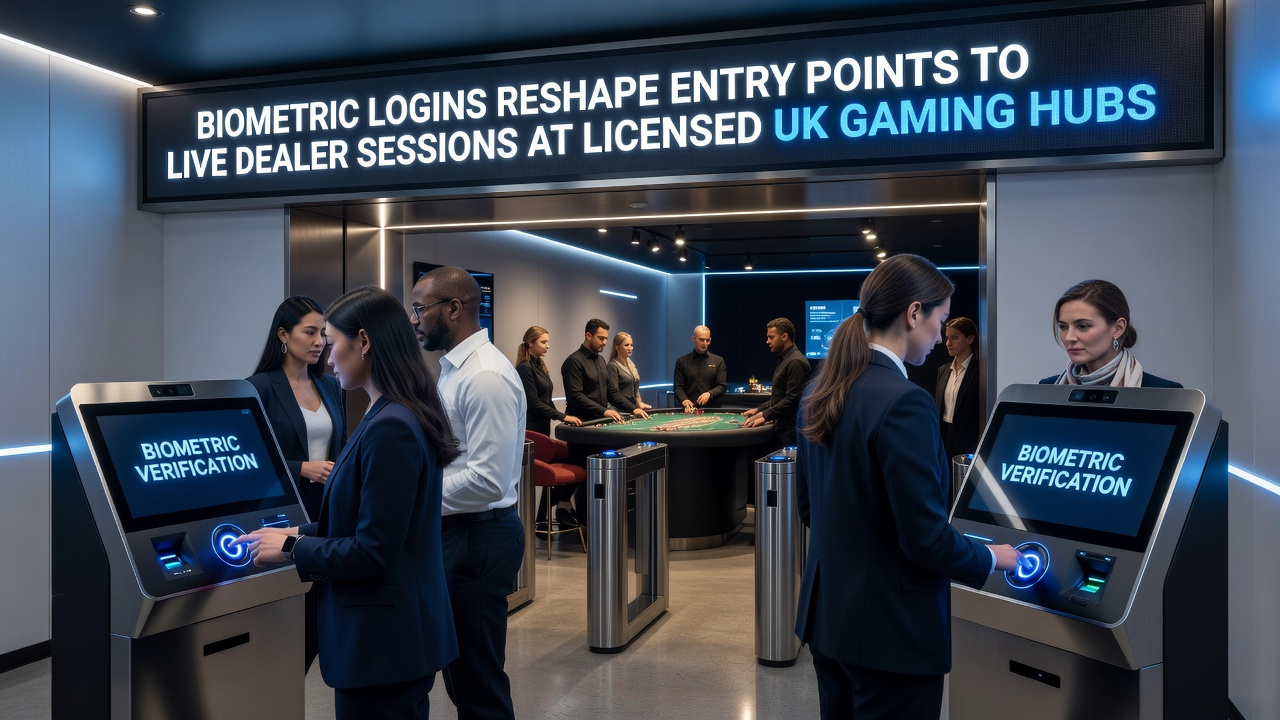
Biometric authentication methods have begun altering how players enter live dealer environments at regulated UK gaming platforms, with fingerprint recognition and facial scanning replacing traditional password entry in many cases. Licensed operators now integrate these tools directly into mobile applications and web portals, allowing instant verification before sessions involving real-time roulette, blackjack, or baccarat tables commence. Data from industry monitoring shows adoption rates climbing steadily through early 2026, as platforms seek smoother transitions between account access and table participation.
Mechanics Behind Biometric Entry Points
Systems operate through device-level sensors that capture and match unique physical traits against stored templates, often completing the process in under two seconds. Facial recognition uses infrared mapping to confirm identity even in varying lighting conditions common during evening play sessions, while fingerprint scanners on smartphones provide an alternative for users preferring tactile confirmation. These methods connect to backend systems at licensed hubs, where compliance checks occur automatically before routing players to live video feeds hosted by professional dealers.
Operators report that integration requires partnerships with technology providers specializing in secure identity verification, ensuring alignment with data protection standards across multiple jurisdictions. One study by the National Institute of Standards and Technology highlights how such protocols reduce unauthorized entry attempts by significant margins when compared to alphanumeric passwords alone.
Impact on Live Dealer Participation Rates
Access speeds have increased notably since biometric options rolled out more widely in 2025, enabling players to move from launch screen to active betting within moments rather than navigating multiple login fields. This shift matters particularly during peak hours when live tables fill quickly, as delays from forgotten credentials can result in missed opportunities at popular wheels or card games. Figures reveal consistent growth in session starts among users who enable these features, with mobile traffic accounting for the majority of such entries.

What's interesting here is how these tools align with existing habits around device security, since many smartphones already rely on the same sensors for everyday unlocking. Observers note that players who activate biometrics tend to maintain longer continuous sessions at dealer tables, possibly due to reduced friction during re-entry after brief pauses for account checks or balance reviews.
Security Enhancements and Regulatory Context
Biometric templates remain stored locally on user devices in most implementations, limiting exposure compared to centralized password databases that face frequent breach risks. When combined with multi-factor elements such as device recognition or one-time codes, the layered approach strengthens protections around financial transactions tied to live play. Research indicates lower rates of account takeover incidents at sites offering these options, particularly for high-volume table game participants.
By June 2026, several platforms had expanded biometric support to include voice pattern matching as a supplementary method for users in noisy environments or those with accessibility needs. This development follows broader trends in digital identity verification seen in sectors beyond gaming, where similar technologies handle everything from banking apps to travel check-ins.
Challenges in Widespread Implementation
Not all devices support advanced biometric hardware equally, creating occasional gaps for older smartphones or tablets still in circulation among UK users. Operators address this through fallback options like PIN codes or temporary passwords, though these revert to slower entry processes. Accuracy issues can arise from factors such as changes in appearance, skin conditions, or camera quality, prompting developers to refine algorithms continuously.
Industry organizations like the European Gaming and Betting Association track these hurdles through member surveys, noting that ongoing software updates help maintain reliability across diverse hardware setups. Those who've studied deployment patterns observe that training materials for players reduce support queries related to initial setup.
Trends Emerging in Mid-2026
Live dealer sections continue seeing elevated traffic as biometric logins become standard features rather than optional add-ons. Platforms experiment with hybrid models that combine biometrics with behavioral analytics, monitoring patterns like swipe speed or session timing to flag anomalies without interrupting play. Data shows these combined systems detect suspicious activity earlier in the process, before players reach funded tables.
Regional variations exist, with some licensed sites prioritizing certain biometric types based on user demographics and device preferences. Expansion into additional verification layers, such as palm vein scanning on compatible hardware, appears in testing phases at a handful of larger operations.
Conclusion
Biometric logins have established themselves as practical tools for managing entry to live dealer content at UK licensed gaming locations, driving measurable shifts in access efficiency and security profiles. Continued refinements in technology and user education support further integration, while regulatory frameworks evolve alongside these capabilities. The pattern suggests sustained relevance as mobile participation dominates the sector.