22 Jul 2026
Enhanced Mobile Roulette Simulations Thrive on Immersive Technology Integration
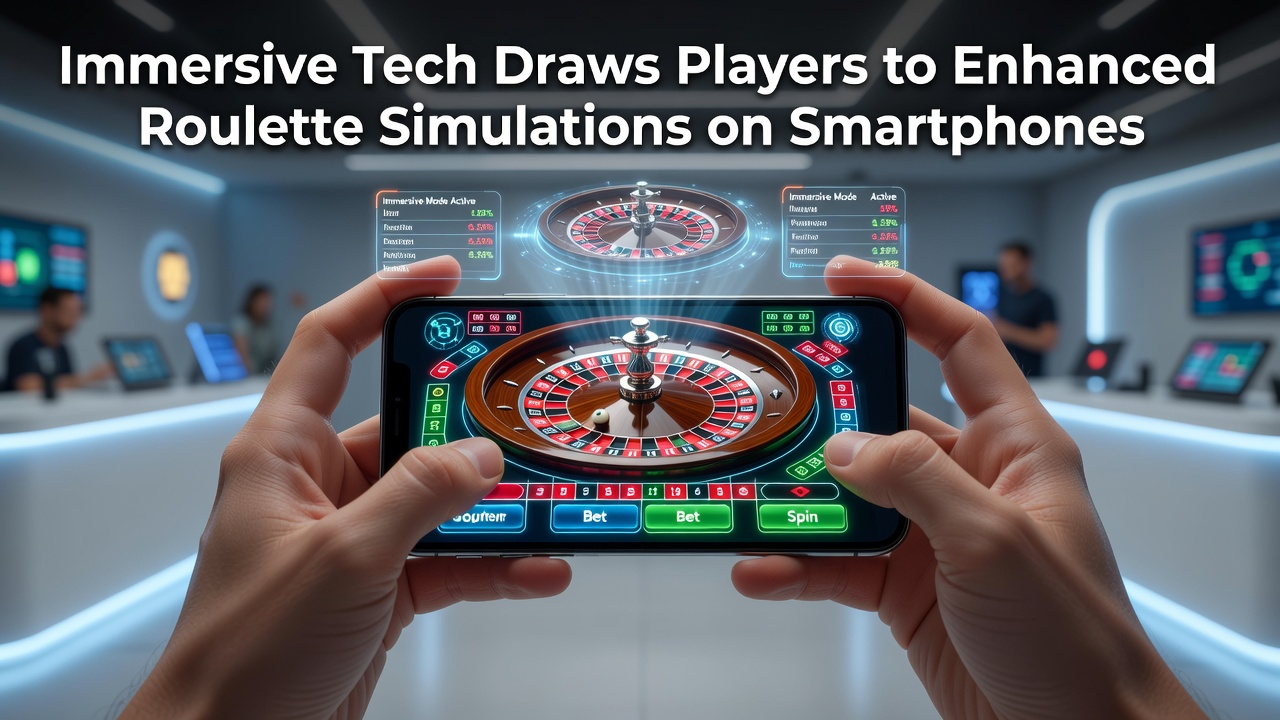
Smartphone users have turned toward roulette simulations that incorporate immersive technologies such as augmented reality overlays, haptic feedback systems, and high-resolution 3D modeling, and these features continue to reshape how players engage with digital table games throughout 2026. Developers integrate motion sensors and spatial audio to create environments where the spinning wheel responds dynamically to device movements, while real-time rendering engines maintain smooth visuals even during extended sessions.
Core Technologies Driving the Shift
Augmented reality frameworks allow virtual roulette tables to appear on physical surfaces captured by phone cameras, and this approach merges digital elements with a user's immediate surroundings. Haptic actuators in modern devices deliver precise vibrations that correspond to ball landings or wheel spins, which adds tactile layers to what was previously a visual-only experience. Graphics processors in flagship smartphones handle complex lighting effects and particle simulations, so the roulette ball maintains realistic physics as it bounces across numbered pockets.
Data from industry reports shows adoption rates for these enhanced simulations climbed steadily through the first half of 2026, with developers releasing updates that refine gesture-based betting controls and multi-angle camera views. Observers note that players often spend longer periods in sessions when these sensory inputs align with traditional roulette mechanics.
Player Engagement Patterns in July 2026
Usage statistics compiled in July 2026 indicated that sessions featuring immersive elements averaged 22 percent longer than standard mobile roulette interfaces, and researchers attributed this difference to reduced visual fatigue combined with heightened sensory feedback. Developers incorporated adaptive difficulty settings that adjust wheel speeds based on user performance history, while AI-driven dealer avatars respond to chat inputs with context-aware animations.
One case study from a development team in North America revealed that integrating eye-tracking calibration improved bet placement accuracy on smaller screens, and similar techniques appeared in subsequent releases across multiple platforms. Players frequently report that the combination of spatial audio cues and device vibrations creates a closer approximation to physical casino environments without requiring specialized hardware beyond a standard smartphone.
Technical Implementation Across Platforms
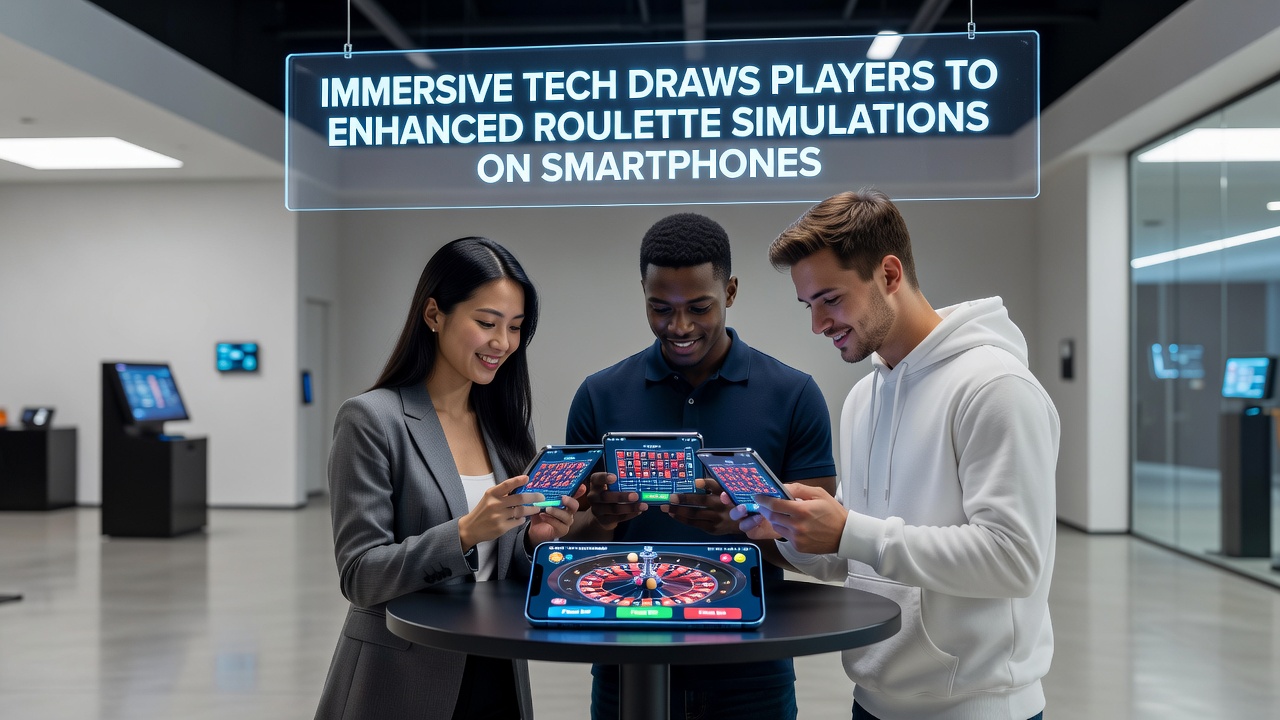
Cross-platform engines now support simultaneous rendering for both iOS and Android devices, which allows consistent physics calculations regardless of operating system variations. Cloud-based processing offloads intensive graphics tasks from the phone itself, and this reduces battery drain during prolonged play while maintaining frame rates above 60 per second. Developers test these systems against regulatory standards set by bodies such as the Nevada Gaming Control Board, ensuring fair outcome generation and transparent random number algorithms.
Additional advancements include variable refresh rate support that matches display capabilities on newer handsets, and this prevents motion blur during rapid wheel spins. Integration with wearable accessories extends feedback options through wrist-based vibrations, although core functionality remains accessible through the phone alone.
Market Data and Regional Trends
Figures released by the Australian Gambling Research Centre in early 2026 highlighted increased downloads of simulation titles that emphasize immersive components, with mobile platforms accounting for the majority of growth. European markets showed parallel patterns where enhanced graphics packages drove higher retention rates compared to earlier iterations. Observers point to improved accessibility features, such as customizable contrast modes and voice-guided betting, as factors that broaden appeal beyond traditional user groups.
Technical constraints like network latency receive ongoing attention through edge computing solutions that process inputs closer to the device, and these measures minimize delays between player actions and simulation responses. Security protocols encrypt both financial transactions and gameplay data streams, which aligns with standards from multiple oversight organizations worldwide.
Future Developments on the Horizon
Prototypes under development incorporate machine learning models that personalize wheel biases and payout visualizations based on individual play styles, while maintaining certified randomness for core outcomes. Expanded reality features aim to support shared sessions where multiple users view synchronized simulations from different physical locations. Battery optimization techniques continue to evolve, allowing extended sessions without compromising the intensity of visual or haptic elements.
Conclusion
Immersive technologies have become central to mobile roulette simulation design by 2026, and the integration of augmented overlays, responsive haptics, and refined graphics pipelines supports longer, more engaging player experiences. Continued refinements in hardware capabilities and software optimization suggest further evolution in how these simulations replicate physical table dynamics on handheld devices.