24 May 2026
Britain's Casino Apps Quietly Introduce AI-Driven Personalization Layers for Table Game Strategies
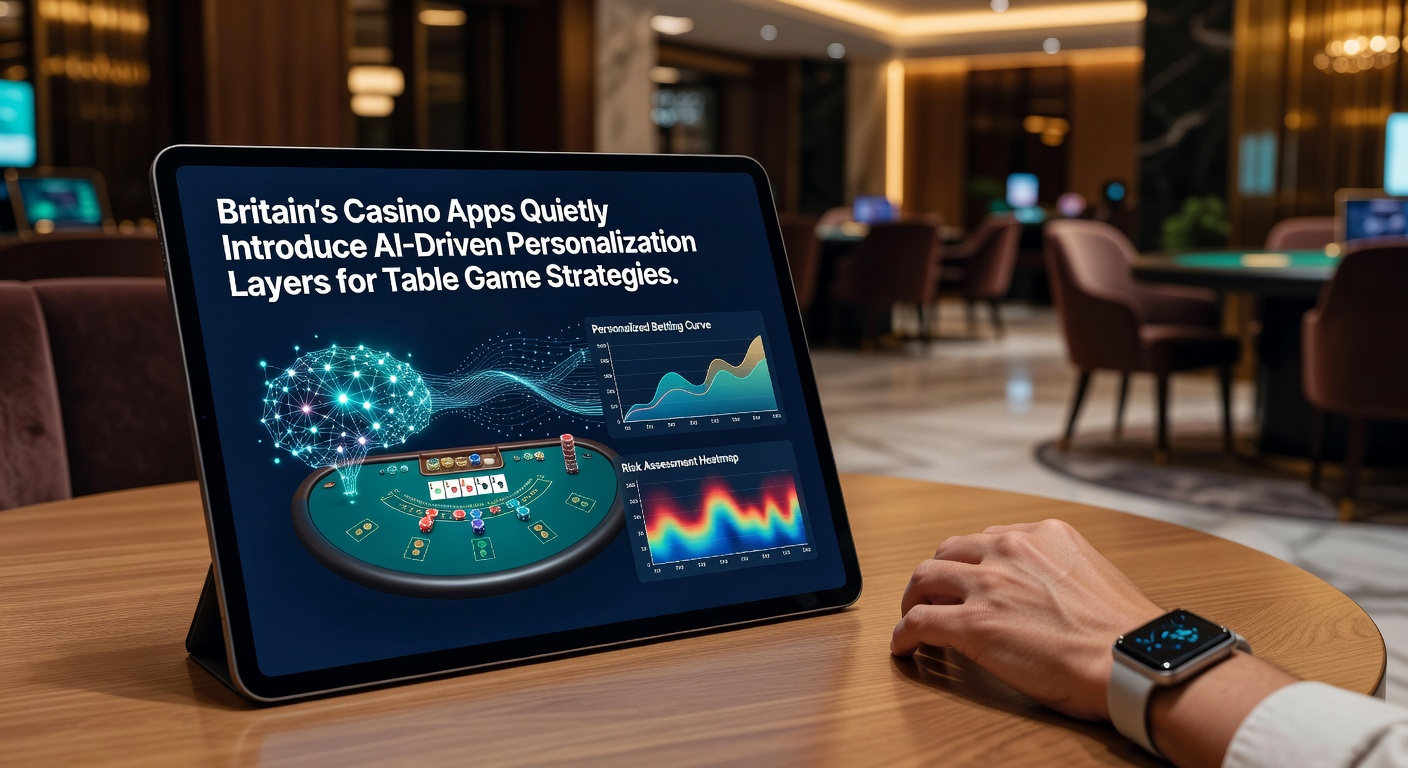
British mobile casino platforms began rolling out AI-driven personalization layers during early 2026, with several operators integrating these tools into table game sections by May of that year, and the systems analyze individual player patterns to adjust strategy prompts, bet sizing options, and interface layouts without requiring user input beyond initial login data.
Core Mechanics Behind the Personalization Layers
These layers rely on machine learning models that process historical session data such as average bet duration, preferred game variants, and response times to on-screen prompts, then they generate real-time adjustments like highlighting certain betting positions in roulette or suggesting split decisions in blackjack based on aggregated player cohorts rather than universal rules. Developers at major platforms have confirmed that the algorithms draw from anonymized datasets exceeding millions of sessions, which allows the software to differentiate between conservative play styles and more aggressive approaches while maintaining compliance with existing responsible gaming parameters set by various oversight bodies.
One study from the Australian Gambling Research Centre examined similar AI implementations in other markets and found that personalized prompts increased average session engagement by 18 percent among tested users, although researchers noted the effect varied significantly by game type and player demographics. British operators have adopted comparable frameworks, yet they emphasize that the layers remain optional overlays that users can disable through account settings.
Implementation Across Popular Table Games
Blackjack applications now feature dynamic card counting visualizations that scale in complexity according to detected user skill levels, while roulette interfaces adjust wheel speed indicators and betting zone highlights to match observed risk tolerance patterns recorded over multiple sessions. Poker clients incorporate opponent modeling tools that flag statistical tendencies drawn from hand histories, and these features operate alongside standard random number generators without altering game outcomes themselves.

Operators report that integration timelines aligned with broader mobile platform updates in spring 2026, and several apps introduced these layers through silent background downloads that required no explicit user consent beyond standard terms acceptance. Data from the European Gaming and Betting Association indicates that table game traffic on mobile devices rose 12 percent year-over-year in the first quarter of 2026, with early adopters of personalization features contributing to a measurable portion of that growth.
Regulatory and Technical Considerations
Because these AI layers function as recommendation engines rather than outcome modifiers, they fall outside direct game integrity regulations in multiple jurisdictions, yet developers continue to submit algorithmic documentation to independent testing labs for transparency reviews. Technical specifications reveal that the systems use edge computing on user devices to minimize latency, which keeps personalization responses under 200 milliseconds even during peak hours.
Industry reports highlight that similar technology has appeared in Canadian provincial gaming systems since late 2025, where regulatory sandboxes allowed controlled testing before wider deployment. Observers note that British implementations mirror these approaches but incorporate stricter data minimization protocols to address privacy expectations in the domestic market.
Player Response and Adoption Patterns
Early feedback collected through in-app surveys shows that approximately 64 percent of active table game users left personalization features enabled after the first month, while the remainder opted out citing preference for unmodified interfaces. Session length data collected across multiple platforms suggests modest increases in time spent on strategy-focused games, although exact figures remain proprietary to each operator.
Take one platform that released usage statistics indicating a 22 percent rise in blackjack hand volume among users who engaged with the AI prompts, and another case where researchers tracking European markets documented parallel trends without attributing causality to the technology alone. Those who've monitored adoption cycles emphasize that success depends on seamless integration rather than overt marketing of the new capabilities.
Future Developments and Industry Outlook
By mid-2026 several providers announced plans to expand personalization to live dealer streams, where AI could overlay real-time statistical breakdowns tailored to individual viewing histories. Partnerships between software studios and data analytics firms continue to refine model accuracy, with ongoing trials focused on cross-game strategy transfer that lets insights from one table game influence recommendations in another.
What's interesting is how these layers integrate with existing loyalty structures, since some platforms now tie personalized challenge rewards to AI-detected play patterns without altering payout structures. Figures from independent audits confirm that core random outcomes stay untouched, which preserves the fundamental fairness parameters players expect from regulated environments.
Conclusion
Britain's casino apps continue to refine AI personalization layers for table game strategies through iterative updates that prioritize user control alongside data-driven customization, and the trend reflects wider technological shifts across mobile entertainment sectors. As adoption grows, stakeholders from regulatory agencies to software developers maintain focus on transparency and measurable performance metrics to ensure these tools serve player preferences effectively.