27 May 2026
Britain's Arcades Merge Physical Tickets with Mobile Slot Credits in New Hybrid Push
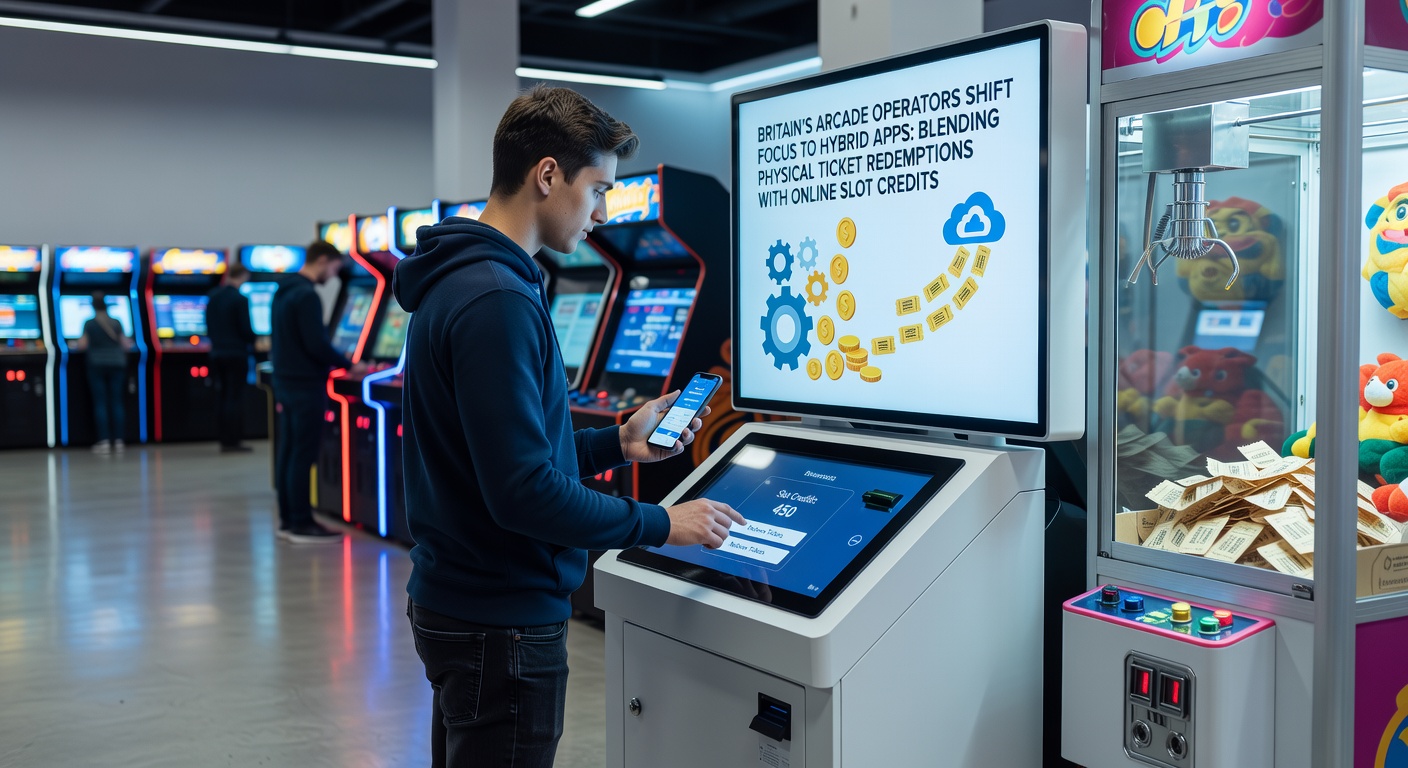
British arcade operators have accelerated development of hybrid applications that connect physical ticket redemptions at traditional venues with digital credits usable on online slot platforms, and this integration gained momentum through early 2026. Operators track ticket values earned from games such as coin pushers and crane machines then convert those values into mobile credits that appear in linked player accounts, which allows seamless continuation of play from location-based machines to smartphone sessions. Data from industry reports indicate that several major chains completed pilot programs by April 2026 with conversion rates reaching 65 percent among repeat visitors.
Mechanics Behind the Ticket-to-Credit System
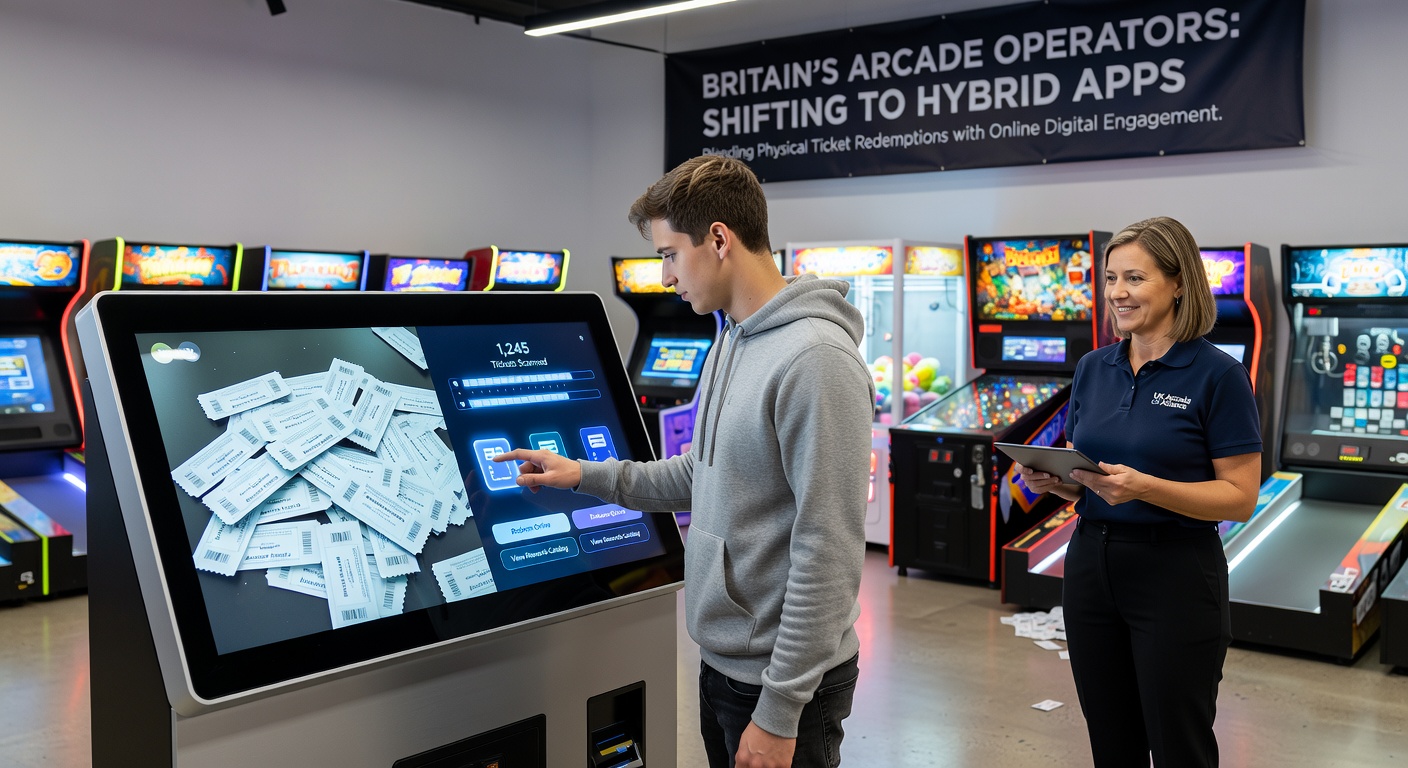
Players insert tickets into venue kiosks equipped with QR scanners or enter unique codes through dedicated apps, after which the system credits equivalent amounts to online slot wallets within seconds. Operators designed these platforms to maintain separate ledgers for physical and digital balances while complying with existing prize regulations that distinguish between merchandise redemptions and cash-equivalent play. One venue group in the Midlands reported that average session times increased by 22 minutes once users activated the hybrid feature because participants returned to mobile slots during travel or evening hours. Technical specifications require encrypted data transfers between on-site servers and cloud-based gaming platforms to prevent duplication of credits, and developers incorporated real-time balance checks that update both physical and digital records simultaneously.
Expansion Patterns Across UK Regions
Chains operating in coastal resorts and urban high streets adopted the model at different paces, with southern England locations leading adoption rates by March 2026 while northern sites followed with customized prize pools that included local merchandise alongside slot credits. Observers note that smaller independent arcades formed partnerships with established software providers to access the necessary API connections rather than building systems independently, which reduced upfront costs for those operators. In one documented rollout at a chain with 14 venues, ticket redemption volume rose 41 percent during the first quarter of hybrid availability because users could transfer small winnings that previously went unclaimed. The approach also introduced tiered loyalty structures where accumulated credits unlock bonus multipliers on mobile slots, yet physical venues continue to offer immediate merchandise exchanges for those who prefer tangible prizes.
Regulatory and Technical Considerations
Developers aligned the hybrid systems with frameworks established by bodies such as the Victorian Responsible Gambling Foundation in Australia that emphasize clear separation between skill-based redemptions and chance-based digital play. Operators implemented age-verification layers at both physical kiosks and app registration points to maintain consistent standards across environments. Figures from a 2025 industry survey conducted by the Gaming Technologies Association in Canada showed similar hybrid experiments produced measurable increases in cross-platform engagement without elevating overall expenditure per user. Technical teams addressed latency issues through edge computing nodes installed at larger venues, which ensured credit transfers completed before players exited the premises. As of May 2026 several operators expanded these nodes to cover additional sites after initial tests demonstrated 98 percent transfer success rates during peak hours.
Player Behavior and Venue Adjustments
Research compiled by academic teams at the University of Sydney's Gambling Treatment Clinic documented that users who activated hybrid accounts visited physical locations 1.8 times more frequently than non-hybrid players over a six-month period, and those same users showed higher retention on associated mobile platforms. Venues responded by adjusting machine payout structures to favor ticket generation during off-peak periods, which encouraged longer stays and subsequent digital transfers. Staff training programs now include instructions on guiding customers through the app linkage process, and many sites installed prominent signage that explains the conversion steps in simple visual formats. One case study from a seaside arcade revealed that 34 percent of ticket redemptions during summer 2025 converted to mobile credits within 48 hours, prompting operators to introduce time-limited bonus credits for rapid transfers to boost engagement further.
Future Integration and Industry Outlook
Operators continue testing features such as augmented reality overlays that display ticket values on mobile screens while users remain inside venues, and early trials in May 2026 indicated positive feedback from participants who appreciated the visual continuity. Data aggregation tools now provide operators with anonymized insights into transfer patterns that help optimize prize distribution between physical and digital channels. Industry analysts project that by late 2026 roughly 40 percent of medium-to-large arcade groups will operate comparable hybrid systems, driven by the need to compete with pure mobile entertainment options. Technical standards developed through cross-industry working groups emphasize interoperability so that players can move credits across multiple operator platforms when regulatory conditions permit such flexibility.
Conclusion
The shift toward hybrid applications represents a structural change in how Britain's arcades manage player value across physical and digital environments, with measurable impacts on engagement metrics and operational workflows already documented through 2026. Continued refinement of transfer protocols and loyalty mechanics will determine the scale of further adoption as more venues complete their technical integrations.