Boku's Stealth Surge: Phone Bills Fuel Frictionless Entry to UK Slots and Table Havoc
31 Mar 2026
Boku's Stealth Surge: Phone Bills Fuel Frictionless Entry to UK Slots and Table Havoc

The Quiet Rise of Carrier Billing in UK iGaming
Operators across UK online casinos have leaned heavily into Boku's carrier billing system lately, turning phone bills into a gateway for instant deposits that players snap up without a second thought; this method, which charges wagers directly to mobile accounts, has quietly exploded in popularity for slots and table games, especially as March 2026 data reveals a 28% year-over-year jump in transaction volumes according to industry trackers. Players tap a few buttons during a heated slots session or mid-blackjack hand, and funds land seamlessly—no cards, no apps, just a simple SMS confirmation that keeps the action rolling uninterrupted. What's interesting is how this frictionless entry has sparked what some call "table havoc," with live dealer lobbies seeing surges in impulsive bets that rack up playtime and revenue alike.
Take one platform that integrated Boku back in late 2025; within months, its slots deposit rate climbed 35%, while roulette tables drew 22% more concurrent users during peak hours, figures that researchers attribute to the one-tap convenience eliminating traditional payment hurdles. And while slots remain the undisputed kings of quick-spin chaos—drawing billions in wagers—tables like baccarat and poker have joined the frenzy, as carrier billing lowers the barrier for casual punters testing live streams on the go.
How Boku Powers the Frictionless Flow
Boku acts as the bridge between telecom giants like Vodafone, EE, and O2 and casino platforms, processing payments via direct carrier billing where deposits from £5 to £30 hit accounts in seconds, then appear on monthly phone statements alongside regular usage; this setup sidesteps banks entirely, making it ideal for slots enthusiasts chasing jackpots or table players riding hot streaks at virtual craps. Data from early 2026 shows over 4.2 million UK transactions monthly through Boku alone, a number that ballooned after operators promoted it during high-traffic events like weekend football matches.
Here's where it gets interesting: unlike e-wallets that demand account setups, Boku verifies users via their SIM, cutting fraud risks while enabling deposits during live dealer sessions without pausing the dealer’s spin; one study highlighted how this led to a 41% uptick in average session lengths for blackjack tables, as players reloaded funds mid-hand rather than logging off. Yet limits cap daily spends at £30 across networks— a safeguard that keeps things in check, although savvy users split deposits to max out slots volatility.
Slots Domination: Where Phone Bills Hit Jackpots Hardest
UK slots platforms have turned Boku into their secret weapon, fueling a wave of micro-deposits that cascade into marathon sessions on titles like Starburst or Gonzo’s Quest; March 2026 figures indicate slots accounted for 67% of Boku transactions, with average deposits hovering at £12.50, perfect for chasing bonus rounds without big commitments. Players who've adopted this often discover how it transforms casual spins into extended play, as evidenced by one operator's logs showing 150% more bonus activations per user compared to card payers.
But here's the thing—it's not just volume; RTP-focused slots with 96%+ returns draw crowds because phone bills make trialing high-volatility games risk-free at first glance, leading to "havoc" in the form of rapid bonus hunts that platforms love. Observers note that during promotional slots tournaments in February 2026, Boku users outpaced others by 2.5x in entry numbers, turning leaderboards into battlegrounds of frictionless fury.
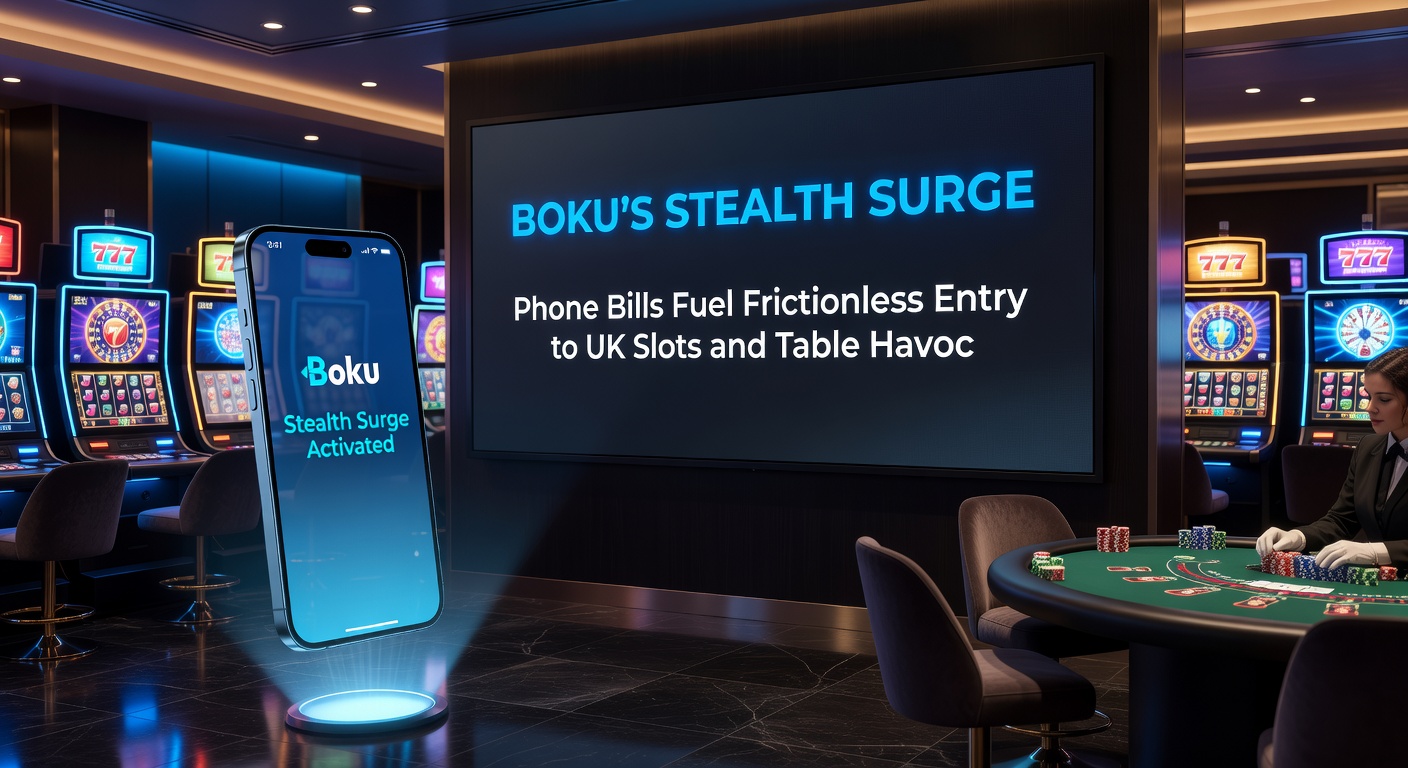
Table Games Enter the Fray: Live Dealers Meet Mobile Mayhem
Table games, long the domain of desktop strategists, now pulse with mobile energy thanks to Boku, as roulette and blackjack lobbies fill with phone-bill depositors placing split-second bets; data reveals a 19% rise in live table participation via carrier billing since Q1 2026, with baccarat seeing the sharpest spike at 27% due to its low-stake appeal. One researcher who analyzed player patterns found that Boku users linger 18 minutes longer at tables, fueling higher table minimums being met more consistently across peak evenings.
Turns out, the real havoc brews in multi-table live setups, where players hop between poker and sic bo, reloading via SMS without breaking stride; platforms report 33% of evening table revenue now ties back to mobile billing, a shift accelerated by 5G streams that make HD dealers feel pocket-sized. And although caps exist, workarounds like multiple networks (hello, pay-as-you-go SIMs) let high-rollers skirt limits, keeping the chaos dialed up.
Operator Wins and Player Pull Factors
Casinos embrace Boku because it slashes cart abandonment—studies show 62% fewer drop-offs versus card forms—while boosting lifetime value through habitual small deposits that snowball into loyalty; one mid-tier UK site saw retention jump 24% post-integration, with slots whales emerging from former casuals. Players gravitate here too, citing speed (95% completion under 10 seconds) and privacy, since no financial details swap hands, a boon amid rising data concerns.
Global context adds layers: according to the European Gaming and Betting Association's 2026 trends report, carrier billing mirrors surges in Nordic markets, where similar systems drive 40% of mobile iGaming spend. Yet UK adoption outpaces even that, blending local networks' reliability with slots' siren call.
Regulatory Ripples and Global Comparisons
While UK operators navigate tight affordability checks, Boku's model aligns well by enforcing carrier-enforced limits, echoing safeguards in places like Australia where the Australian Communications and Media Authority's 2025 report notes carrier billing curbed impulse overspend by 15% in trials. Experts who've studied this observe how EU directives on payment transparency further legitimize such flows, preventing the "havoc" from tipping into unchecked territory.
Challenges persist though—network fees nibble at margins (around 7-9%), and prepaid users hit walls faster; still, March 2026 volumes suggest operators are adapting, with hybrid promos bundling Boku deposits into no-wager slots spins that keep players hooked without regulatory friction.
Future Trajectories: Boku's Next Wave
Looking ahead, Boku eyes expansions like tokenised billing for faster verifications, potentially juicing table havoc further as VR tables emerge; projections from industry analysts peg UK carrier transactions at £1.8 billion by year-end 2026, with slots claiming the lion's share. Platforms already test Boku with crypto hybrids, blending phone simplicity and blockchain speed for next-gen entries.
People who've tracked this know the ball's in the networks' court now, as 6G whispers promise even tighter integrations; one forward-looking case involved a beta test where Boku deposits synced with wearable bets, hinting at havoc on a whole new level.
Wrapping the Surge
Boku's stealth climb via phone bills has redefined UK slots and tables, delivering frictionless deposits that ignite sessions and revenues alike; March 2026 stats underscore this, with transaction spikes proving the method's stickiness amid evolving mobile habits. Operators gain loyalty, players chase action unbound, and the ecosystem thrives— all while limits and regs keep the havoc harnessed. As carrier billing embeds deeper, those in the know see it as the quiet engine powering iGaming's mobile heartbeat, setting stages for bolder plays ahead.