21 Jun 2026
Biometric Sensors Stream Live Metrics into Casino Analytics Platforms Operating in the UK
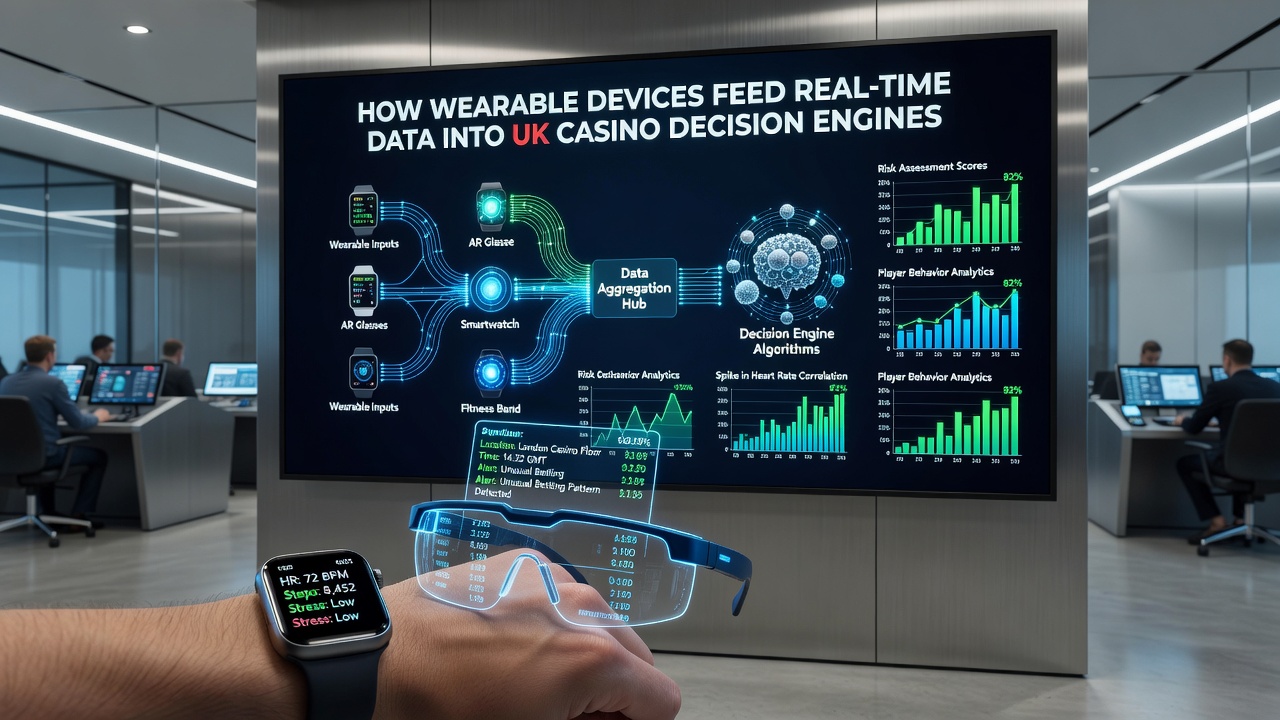
Smartwatches and fitness bands now transmit continuous streams of physiological information directly into the backend systems that manage player interactions at licensed UK casino operators, and these feeds arrive through secure APIs that connect device manufacturers with gaming software providers. Heart rate variability, step counts, skin temperature readings, and sleep pattern summaries flow alongside traditional betting records, which allows decision engines to adjust promotional offers or session parameters within seconds of detecting changes in user state. Data transmission occurs via encrypted Bluetooth connections to mobile apps that then relay packets to cloud-based processors hosted by platform operators.
Data Pathways from Consumer Devices to Operational Engines
Integration begins when a player authorizes a wearable device through a casino app, after which the system establishes a persistent data channel that updates every few seconds during active play sessions. Accelerometers capture movement patterns while optical sensors measure blood flow, and these values combine with location signals from the phone itself. Casino platforms route the incoming packets through middleware layers that normalize formats before feeding them into machine learning models trained on historical player cohorts, and those models generate outputs such as risk scores or engagement forecasts that influence everything from bonus eligibility to game recommendations. Observers note that transmission latency typically stays below 200 milliseconds on 5G networks, which keeps the information current enough for real-time adjustments.
Physiological Indicators and Their Role in Engine Calculations
Decision engines incorporate biometric thresholds that trigger specific responses when readings cross predefined limits. Elevated heart rates paired with rapid betting sequences may prompt the system to surface responsible gaming prompts or slow down autoplay features, whereas steady low-variability metrics might unlock personalized table invites or loyalty multipliers. Research from the University of Sydney's gambling technology unit indicates that combining wearable data with transaction histories improves prediction accuracy for session duration by approximately 18 percent compared with transaction data alone. Operators maintain audit logs of every biometric input used in automated decisions to satisfy external compliance reviews.
Technical Standards Supporting Cross-Platform Compatibility
Device makers and casino software vendors align on data schemas published by the Interactive Gaming Council, which specifies fields for timestamped readings, device identifiers, and consent flags. These standards emerged from collaborative workshops held in late 2025 and have since been adopted by major platforms serving the UK market. When a user switches between a smartwatch and a fitness ring mid-session, the engine merges the two streams without interruption because each device reports standardized units and quality metrics. Security protocols require end-to-end encryption plus token-based authentication that expires after each data burst, reducing exposure if a device is lost or compromised.
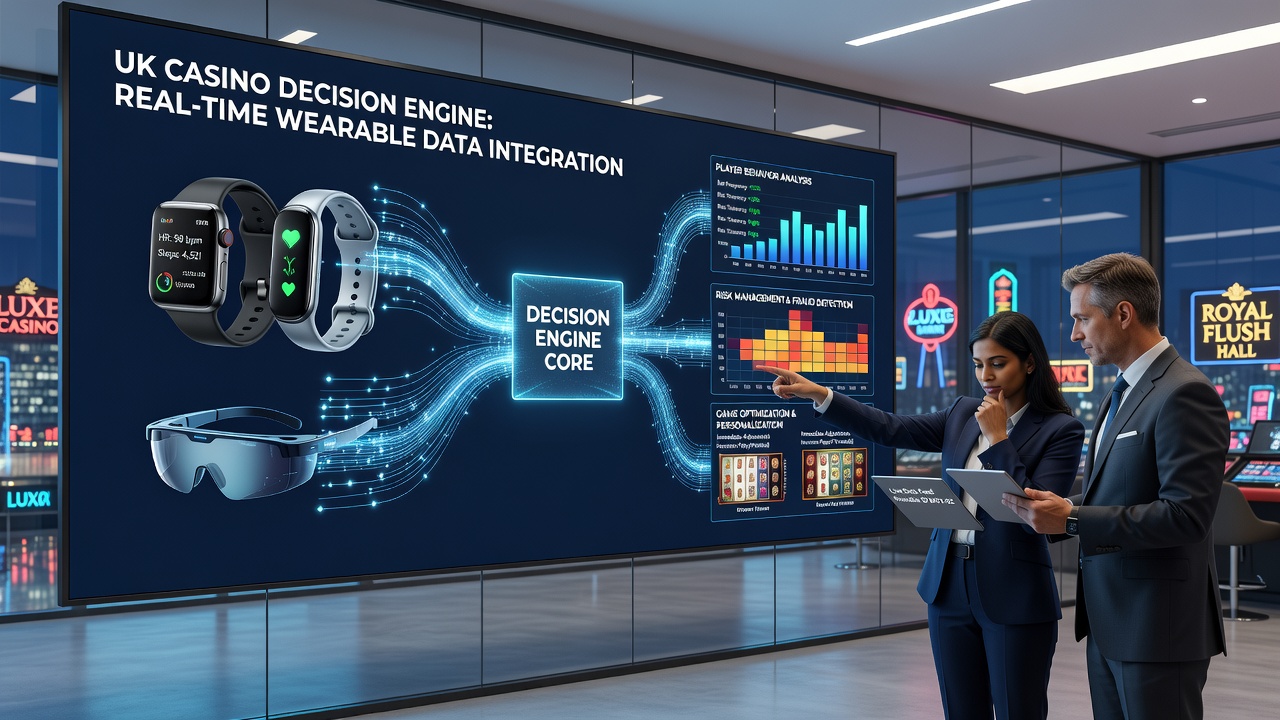
By June 2026 several UK-facing platforms had completed certification rounds with independent labs that verified both data integrity and player consent mechanisms. The process involves simulated attack scenarios and review of how biometric values influence automated interventions. Industry reports from the Canadian Gaming Association highlight similar certification timelines in other regulated markets, which suggests convergence toward shared technical baselines across jurisdictions.
Player Consent Mechanisms and Data Governance
Operators present granular opt-in screens that list exactly which sensor categories will be collected and how long the data remains linked to an account. Players can revoke access at any time through the same app interface, triggering immediate deletion of the corresponding data streams from active models. Audit trails record every consent change alongside the timestamp and device identifier, and these records become available to the account holder upon request. Academic papers from the Technical University of Denmark have examined consent fatigue patterns in wearable ecosystems, noting that simplified toggle interfaces increase sustained participation rates compared with lengthy legal text blocks.
Case Examples from Operational Deployments
One mid-sized operator integrated wrist-worn heart rate monitors with its live dealer platform in early 2026, resulting in automated table-limit adjustments for players whose readings indicated sustained high arousal. Another platform used step-count correlations to identify users who remained seated for extended periods and then delivered gentle movement reminders through the app. These implementations rely on aggregated cohort data rather than individual profiling alone, and external reviewers confirm that no personal health diagnoses are generated or stored. Figures released by the Australian Institute of Family Studies show comparable pilot programs in other regions achieving measurable reductions in extended session complaints when biometric nudges are applied.
Conclusion
Wearable data streams have become a standard input layer for UK casino decision engines because they supply continuous context that static transaction logs cannot provide. Technical standards, consent frameworks, and certification processes continue to mature in parallel with device capabilities, which keeps the integration both functional and auditable. As sensor accuracy improves and network reliability increases, the volume of real-time metrics reaching these engines is expected to grow, yet governance structures remain centered on explicit player authorization and documented usage policies.