17 Jul 2026
Biometric Authentication Methods Streamline Access at Leading Digital Casino Sites
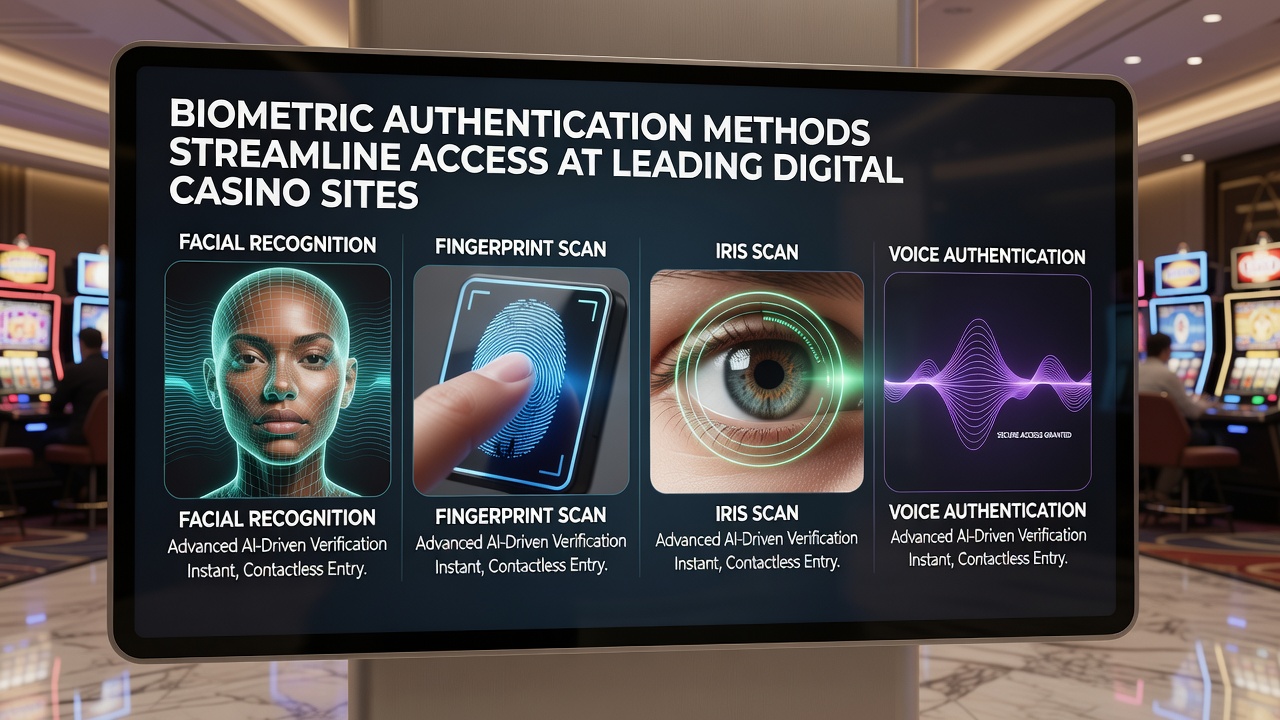
Digital casino platforms have adopted biometric authentication methods to handle user access because these technologies replace traditional passwords with physiological identifiers such as fingerprints, facial features, and iris patterns, and the shift reduces login times while preserving account security across multiple devices.
Operators began rolling out fingerprint recognition in mobile applications during 2024, yet facial recognition systems gained broader deployment by mid-2025 because smartphone cameras already support the required hardware, and this compatibility allowed sites to implement changes without additional user equipment purchases.
Core Biometric Technologies in Use
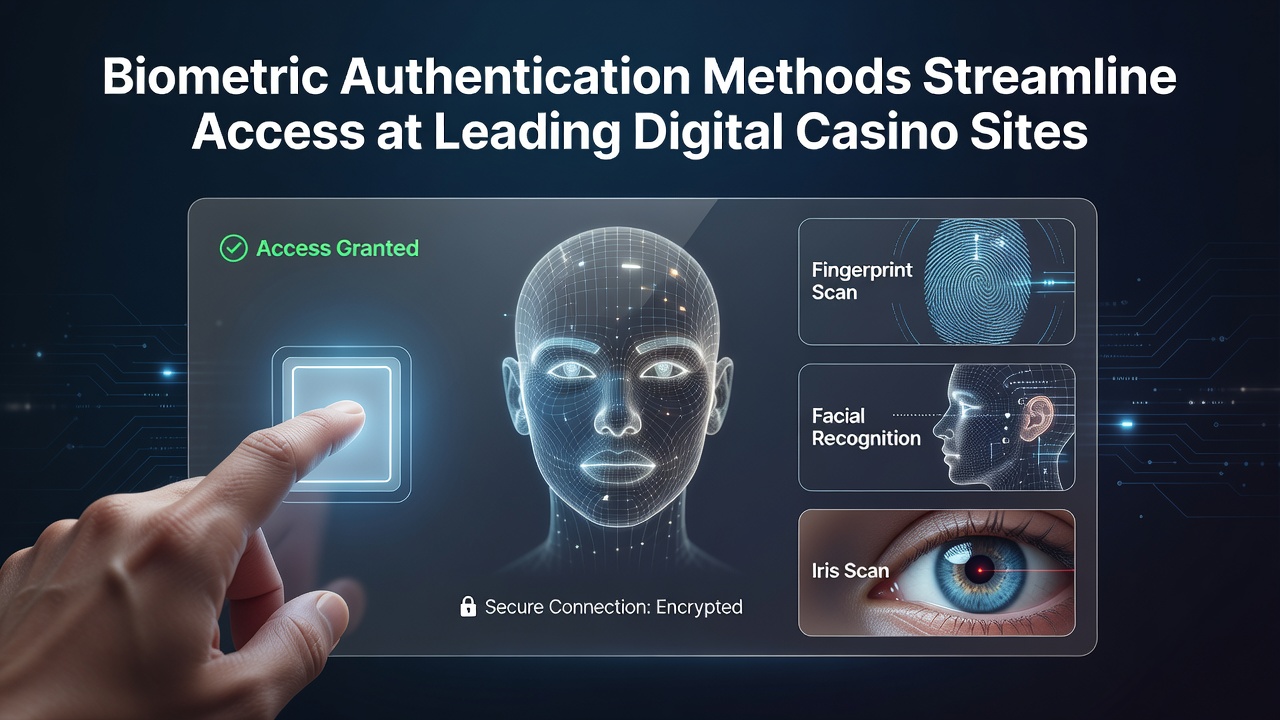
Fingerprint scanning remains the most common entry point for account verification since sensors embedded in modern phones capture ridge patterns in under a second, and platforms match these prints against stored templates encrypted on secure servers. Facial recognition follows closely behind because algorithms analyze geometric points around the eyes, nose, and mouth while accounting for lighting variations that occur during evening play sessions, and developers refine these models through ongoing data collection from verified users.
Iris scanning appears in fewer applications because it demands specialized infrared cameras, although several high-traffic sites introduced the option in July 2026 to serve desktop users who connect through external peripherals, and early adoption metrics indicate that players with premium hardware complete verification steps 40 percent faster than with one-time passcodes alone.
Security and Compliance Frameworks
Standards bodies such as the National Institute of Standards and Technology publish testing protocols that evaluate false acceptance and false rejection rates for biometric systems, and casino operators reference these guidelines when selecting vendors because regulatory bodies in multiple jurisdictions require documented proof of accuracy before approving new access methods.
Voice biometrics has emerged as a supplementary layer during live dealer sessions because microphones on player devices capture unique vocal characteristics, and systems compare live samples against enrollment recordings to confirm identity without interrupting gameplay flow.
One large platform reported that after integrating multi-modal biometrics combining fingerprint and facial checks, account recovery requests dropped by 62 percent over a six-month period, and support teams redirected resources toward game development rather than password resets.
Implementation Patterns Across Platforms
Leading sites now embed biometric prompts directly into deposit and withdrawal workflows because regulators in several regions mandate identity confirmation at each financial step, and seamless scans satisfy these rules without forcing players to upload documents repeatedly. Research from the Gaming Laboratories International shows that certified biometric modules maintain error rates below 0.1 percent when tested under simulated high-traffic conditions, and operators cite these figures when marketing the reliability of their login processes.
Developers continue to address spoofing concerns by layering liveness detection algorithms that require subtle movements such as blinking or head tilts during facial scans, and these additions prevent printed photos or recorded videos from bypassing checks. Players who enroll multiple biometric methods gain flexibility because they can choose the most convenient option depending on device type or environment, whether at home or during travel.
User Experience Data and Trends
Analytics from sites that completed biometric rollouts in early 2026 indicate average session starts occur 3.2 seconds quicker than password-only systems, and repeat login rates climbed as users encountered fewer friction points. Observers note that older demographics adopted the technology at rates comparable to younger groups once tutorial videos explained the enrollment steps, and completion rates for initial setup reached 94 percent within the first week of prompts.
Hardware improvements in consumer devices continue to support higher resolution captures, and software updates from operating system providers automatically enhance matching algorithms without requiring separate casino app revisions. Cross-border platforms must navigate varying data protection rules because some jurisdictions classify biometric templates as sensitive personal information that demands additional storage safeguards, and legal teams review each new deployment against these requirements before launch.
Conclusion
Biometric authentication continues to expand across digital casino environments because the combination of speed, security, and device compatibility addresses longstanding access challenges, and ongoing refinements in sensor technology and matching software support broader implementation without compromising user privacy standards. Platforms that maintain transparent enrollment processes and clear data retention policies position themselves to meet both player expectations and regulatory expectations in the evolving landscape.